
As a parent, few things are as stressful as seeing your child in pain, especially when it involves their teeth. While baby teeth eventually fall out, their health is critical for the development of permanent teeth and the overall well-being of your little one. Learning how to prevent toddler cavities is one of the most impactful things you can do for your child’s health in 2026. It starts with understanding that cavities are not just bad luck; they are preventable through a mix of diet, hygiene, and early professional care.
Many parents are surprised to learn that tooth decay can start as soon as the first tooth emerges. In fact, “baby bottle tooth decay” is a common issue that arises when sugary liquids like milk or juice sit on the teeth for long periods, especially during naps. By being proactive and establishing a “dental home” early on, you set the foundation for a lifetime of confidence and bright, healthy smiles.
The Power of Early Oral Hygiene
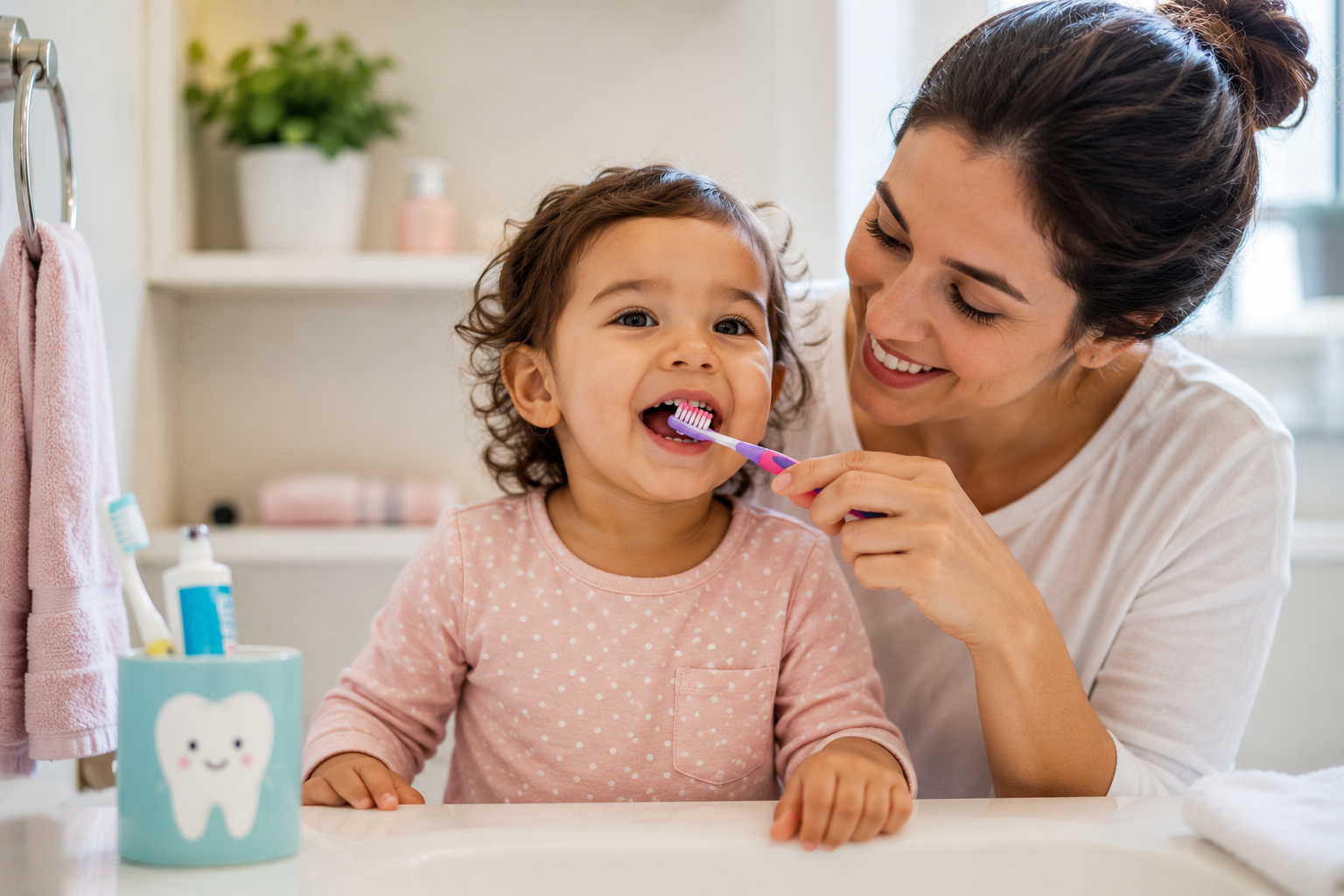
The ritual of brushing should begin even before the first tooth appears by gently wiping your baby’s gums with a clean, damp cloth. Once that first “pearly white” breaks through, it is time to upgrade to a soft-bristled, age-appropriate toothbrush. Using a tiny smear of fluoride toothpaste (about the size of a grain of rice) helps strengthen the enamel and provides a protective barrier against the acids that cause decay.
To stay updated on the best practices for your child’s age group, the American Academy of Pediatric Dentistry offers a wealth of resources tailored specifically for parents. These guidelines emphasize that consistency is key; brushing twice a day—especially before bed—ensures that food particles don’t have all night to settle into the grooves of the teeth. As your toddler grows, making brushing a fun, musical, or game-like experience can prevent the “toothbrushing battles” common in many households.
Nutrition: The Silent Factor in Cavity Prevention
What your child eats is just as important as how often they brush. High-sugar snacks and sticky treats like fruit leathers or gummy vitamins are notorious for clinging to teeth and feeding the bacteria that create cavities. Instead, focusing on “tooth-friendly” snacks like cheese, yogurt, and crunchy vegetables can help neutralize acids and provide the calcium necessary for strong enamel.
Water should always be the beverage of choice between meals. Juices, even those labeled “100% natural,” contain high levels of fruit sugars that can erode enamel over time. By limiting sugary intake and encouraging water consumption, you are naturally flushing the mouth and reducing the time sugar spends in contact with the teeth. This simple dietary shift is one of the most effective strategies for anyone wondering how to prevent toddler cavities without making life feel like a constant restriction.
The Role of Xylitol and Preventive Tools
Interestingly, not all “sweets” are enemies of the teeth. Xylitol, a natural sugar substitute found in some gums and mints, has been shown to actually inhibit the growth of the bacteria that cause cavities. While toddlers might be too young for gum, parents can look for Xylitol-based wipes or drops. This “home run” ingredient is a game-changer in the world of preventive dentistry because it attacks the problem at the bacterial level.
Beyond home care, professional tools like dental sealants and fluoride treatments act as an extra layer of armor. Sealants are thin coatings applied to the chewing surfaces of the back teeth, where most cavities in children start. When you visit a specialized practice like Dino Kids Dental, these preventive measures are handled with a gentle touch, ensuring your child stays cavity-free during their most vulnerable growing years.
Understanding the Community Impact on Oral Health
Oral health is a collective effort, and many organizations work tirelessly to ensure children have access to the care they need. Initiatives like the National Children’s Oral Health Foundation provide education and support to prevent the “silent epidemic” of childhood tooth decay. Being part of a community that values preventive care makes it easier for parents to stay motivated and informed.
By participating in local health fairs or school programs, families can learn about the latest in dental hygiene and even find resources for subsidized care. This community-wide focus on prevention helps normalize the dentist’s visit, making it a routine part of life rather than a scary or rare event. When everyone—from teachers to dentists to parents—is on the same page, the rate of childhood cavities drops significantly.
Setting a Good Example at Home
Toddlers are like sponges; they watch everything their parents do. If they see you prioritizing your own oral hygiene, they are much more likely to follow suit. Try shadow brushing, where you brush your teeth at the same time as your child. This not only allows you to supervise their technique but also turns a chore into a shared family bonding moment.
Positive reinforcement goes a long way. Instead of using the dentist as a threat (e.g., “If you don’t brush, the dentist will have to use the drill”), frame the visit as a way to show off their strong dino-teeth. By keeping the language positive and the environment light, you reduce the anxiety that often leads to skipped appointments or poor hygiene habits later in life.
The Importance of Regular Check-ups
Even the most diligent home brushers need professional eyes on their teeth. Pediatric dentists are trained to spot the very early signs of white spots or enamel demineralization that a parent might miss. Catching these issues early means they can often be reversed with simple fluoride treatments rather than requiring fillings or crowns.
Regular visits also allow the dentist to monitor the alignment of the jaw and the spacing of the teeth. These well-tooth check-ups are just as important as well child visits at the pediatrician. They provide a space for parents to ask questions about everything from the best toothpaste brands to how to handle a toothache if one should arise unexpectedly.
Building a Foundation for the Future
Ultimately, the goal of learning how to prevent toddler cavities is to ensure your child grows up with a positive relationship with their health. A child who reaches age five without a cavity is statistically much more likely to have healthy adult teeth. It is an investment of time and energy that pays off in the form of fewer dental bills, less pain, and a more confident smile.
We believe that every child deserves a cavity-free childhood. It takes a village and a great dental team to make that happen. If you are ready to partner with professionals who treat your child with the same care they would their own, we are here to support you every step of the way on this journey toward total oral health.
To learn more about our philosophy of care and the friendly team waiting to meet your little one, please visit our About Us page and let’s start protecting that smile together today!
FAQs
What is the main cause of cavities in toddlers?
The primary cause is a combination of sugary diets and bacteria. When sugars from milk, juice, or food linger on teeth, bacteria turn them into acid that eats away at the enamel.
Can toddler cavities be reversed?
In the very early stages (appearing as chalky white spots), enamel can sometimes be “re-mineralized” with professional fluoride treatments and improved home care.
Is it safe to use fluoride toothpaste for a two-year-old?
Yes! For children under three, the AAPD recommends using a “smear” of fluoride toothpaste roughly the size of a grain of rice to ensure safety while providing protection.
How often should my toddler see the dentist?
Routine check-ups should occur every six months. This allows the dentist to provide professional cleanings and catch any developmental issues early.
Should I brush my child’s teeth, or should they do it themselves?
Toddlers don’t have the manual dexterity to brush effectively on their own. While you should let them try first to build confidence, a parent should always follow up and do the actual thorough cleaning until the child is about 7 or 8 years old.

